ZIAN PHARMACEUTICALS • ANIMAL HEALTH

Animal Health Journal

Practical knowledge for better animal nutrition, responsible care and healthier livestock and companion animals. Explore detailed articles covering nutrition, feeding practices, animal management and everyday veterinary care.

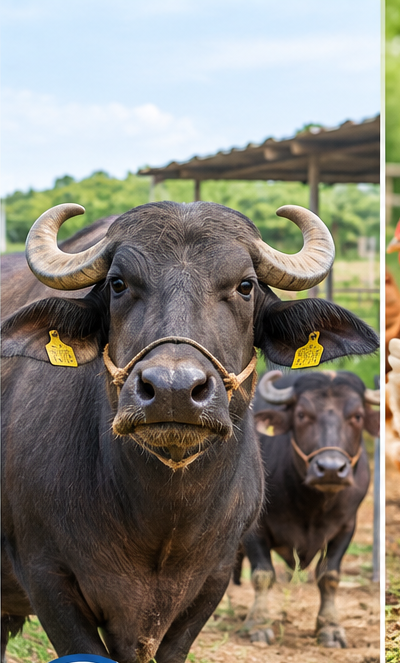
Buffalo

Buffalo Nutrition: What Should Farmers Pay Attention To?

Buffalo management involves more than simply providing feed. Their nutritional requirements can vary according to age, body condition, physiological stage and production demands. A carefully planned feeding program can help provide the nutrients required for normal maintenance and everyday activity.

Feed quality, appropriate roughage, suitable supplementary nutrition, mineral intake and access to clean water all form important parts of responsible buffalo management. Feeding practices should be adapted to the actual needs of the animals rather than treating every animal in exactly the same way.

Balanced feeding
Clean water
Mineral nutrition
Regular observation
Read Full Article →
Goat

Goat Nutrition: Small Changes Can Make a Big Difference

Goats are adaptable animals, but they still require appropriate nutrition to maintain good body condition and support normal growth. Nutritional requirements can change according to age, size, production stage and environmental conditions.

Good-quality forage should form an important part of a suitable feeding program. Depending on the animal and management system, other feed sources and appropriate vitamin and mineral nutrition may also be required. Clean drinking water should always be readily available.

Farmers should also observe body condition, appetite and activity. A sudden change in feeding behaviour or general condition deserves attention and, where appropriate, veterinary consultation.

Read Full Article →
Sheep

Understanding the Everyday Nutritional Needs of Sheep

Sheep require suitable nutrition for normal growth, maintenance and body condition. Their nutritional needs can change with age, size, reproductive stage, environment and management system.

Appropriate forage, suitable supplementary feed where required, mineral nutrition and adequate clean water can all contribute to a well-managed feeding program. The nutritional plan should be reviewed when the animal's requirements change.

Nutrition should also be considered together with housing, hygiene and general flock management. Regular observation allows farmers to notice changes in appetite, activity and body condition that may require further attention.

Read Full Article →
Poultry hens

Poultry Feed Management: More Than Just Filling the Feeder

Poultry nutrition is closely connected with the quality of feed, water availability, flock age and farm management. Different stages of poultry production can have different nutritional requirements, making appropriate feed selection an important consideration.

Vitamins and minerals are part of normal poultry nutrition, while clean drinking water should remain continuously accessible. Feed should be stored and handled appropriately to help maintain its quality.

Farm hygiene also matters. Clean housing, suitable ventilation and regular observation of flock behaviour can help farmers maintain better management practices and identify changes that deserve attention.

Feed quality
Water management
Vitamin & mineral nutrition
Farm hygiene
Read Full Article →
Dog

Dog Nutrition by Life Stage: Puppy, Adult and Senior

A puppy and a senior dog do not necessarily have the same nutritional requirements. Age, body size, activity level and life stage can all influence the type and amount of nutrition an individual dog needs.

A suitable diet should provide appropriate nutrients for normal body functions and everyday activity. Fresh drinking water is also an essential part of responsible pet care. Feeding quantities should be appropriate for the individual animal rather than based only on general assumptions.

Nutrition works alongside exercise, hygiene, preventive veterinary care and regular observation. Changes in appetite, weight, activity or behaviour should be discussed with a veterinary professional when appropriate.

Read Full Article →
Cat

Cat Nutrition: Understanding the Needs of a Different Species

Cats have nutritional requirements that are specific to their species. Their dietary needs can also vary according to age, activity and life stage. Choosing an appropriate diet is therefore an important part of responsible cat care.

Fresh drinking water should always be available. Feeding routines should be appropriate for the individual cat, while major dietary changes should be introduced carefully. Monitoring food intake and body condition can help owners remain aware of changes in their pet.

Responsible cat care also includes maintaining a clean environment, providing suitable activity and arranging routine veterinary care. Unexpected changes in appetite, weight or behaviour should receive appropriate professional attention.

Read Full Article →
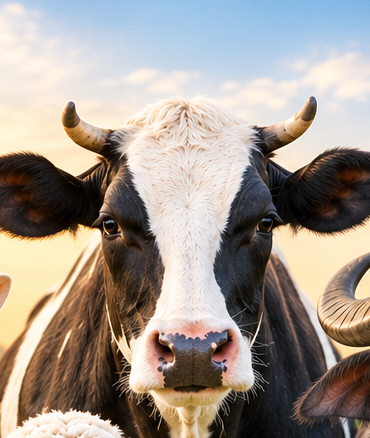
Cattle feeding

Vitamins and Minerals in Animal Nutrition: Why They Matter

Vitamins and minerals are required by animals in different amounts and play important roles in normal physiological functions. Their nutritional importance is one reason why a balanced feeding program should consider more than just energy and protein.

Nutritional requirements differ between species and can change with age, physiological condition, production stage and management system. This means that supplementation should be considered in the context of the animal's overall diet and nutritional requirements.

A well-planned nutritional program combines appropriate feed, clean water, suitable management and professional guidance where needed. Supplements should be used according to their intended purpose and product directions.

Read Full Article →
Healthy farm animals

Five Everyday Practices That Support Better Animal Care

Good animal management is built through consistent daily practices rather than a single action. Providing suitable nutrition, clean water and a comfortable environment creates an important foundation for responsible animal care.

Farmers can also benefit from regularly observing animals. Changes in appetite, water consumption, movement, body condition or general behaviour can provide useful clues about an animal's condition.

Hygiene, appropriate housing, responsible feeding and timely veterinary attention all work together. The exact requirements will vary between species, which is why animal-specific management remains important.

Quality nutrition
Clean water
Clean environment
Regular observation
Read Full Article →